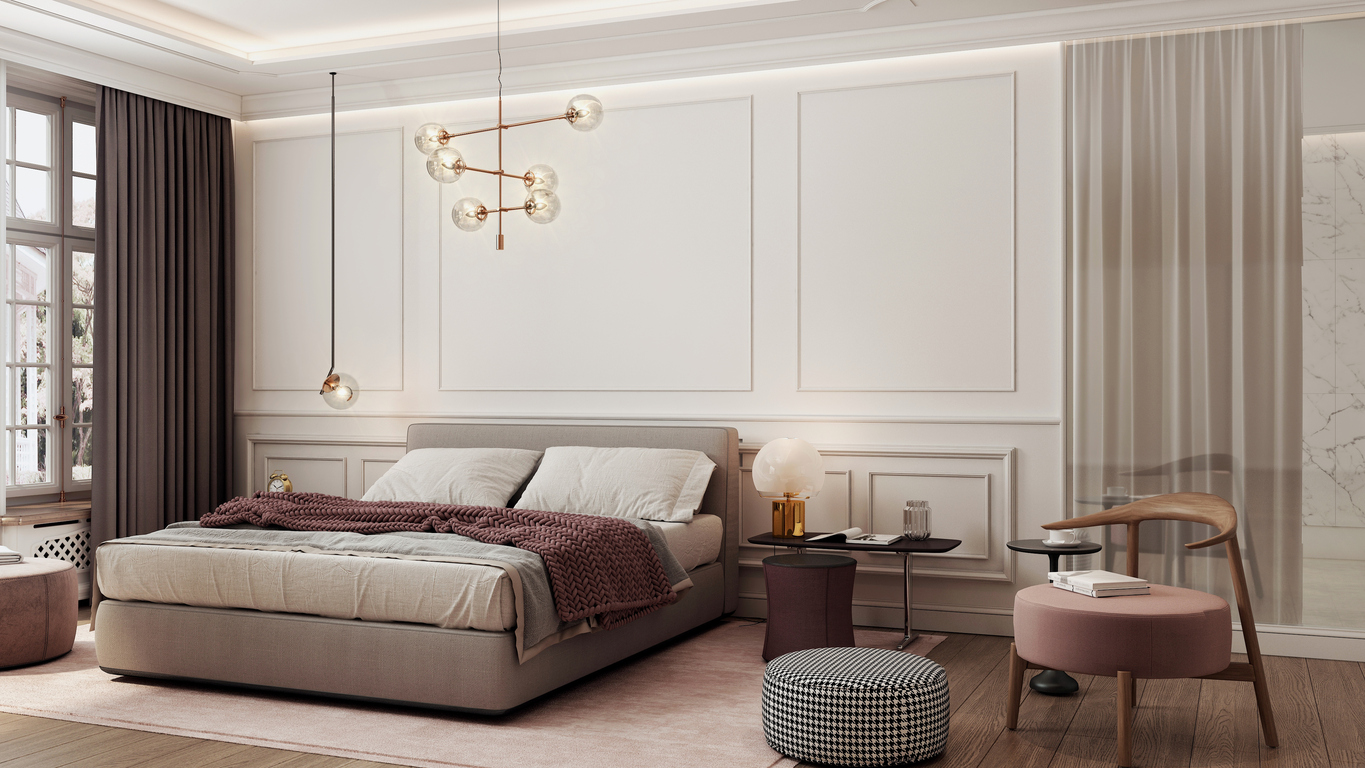
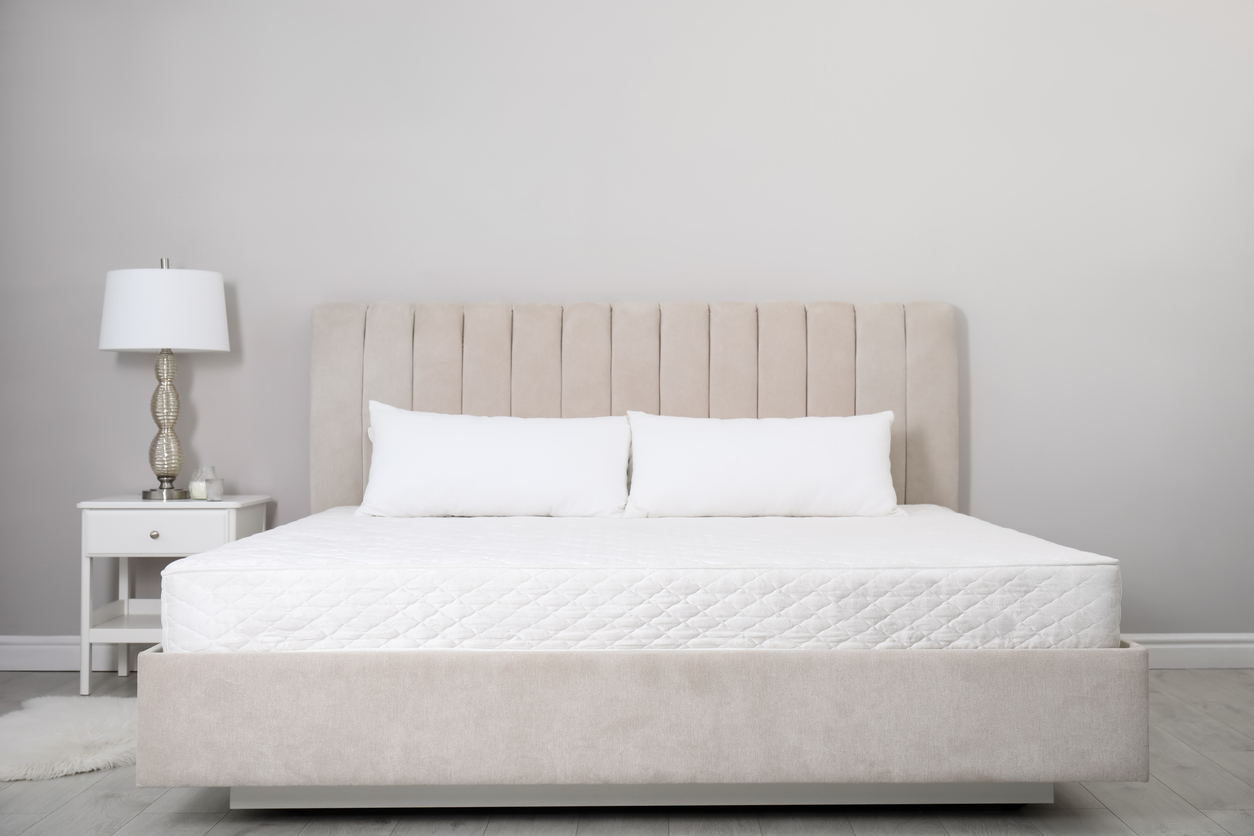
Choosing the right bed is about more than finding something that fits the room. The best option supports the mattress properly, suits the person using it, works with the storage you need, and looks right in the space. This guide explains the main differences between divan beds, bunk beds, and frame beds so you can compare them with confidence before you buy.
Which type of bed is right for your room?
The right bed type depends on who will use it, how much floor space you have, how much storage you need, and the style you want in the room. Divan beds are practical, compact, and often available with built-in drawers or lift-up storage. Bunk beds save floor space in shared children’s rooms, while frame beds give you the widest choice of materials, shapes, and decorative styles.
A good way to start is to think about the room’s main problem. If the room feels crowded, a compact base or vertical sleeping arrangement may help. If wardrobes and drawers are limited, divan beds with storage can make better use of the footprint already taken up by the bed. If the room needs a strong visual centrepiece, a frame bed with a distinctive headboard or material may be the more appealing choice.
It also helps to separate the bed base from the mattress in your decision-making. A bed base affects height, storage, airflow, support, and style, while the mattress affects comfort, pressure relief, and sleeping temperature. The best results usually come from choosing both together, rather than buying a mattress first and hoping any base will do.

The main bed types at a glance
Most bedrooms can work with several bed styles, but each type has a natural strength. A divan is usually the most space-efficient choice because the base is close to the same size as the mattress. A bunk bed makes use of height instead of floor area. A frame bed creates more design impact and can make a room feel traditional, modern, minimalist, rustic, or luxurious depending on the finish.
When comparing options, pay attention to the full footprint, not just the mattress size. Some frame beds extend beyond the mattress because of a thick headboard, footboard, side rails, or decorative posts. A divan base is usually neater in tight spaces, especially where bedside tables, wardrobe doors, or drawers need room to open. Bunk beds require a different kind of planning because you must account for ceiling height, ladder position, and safe access.
The right choice is rarely just about the bed itself. A child’s room, guest room, main bedroom, box room, and rental property all ask different things from a bed. A guest room may benefit from storage and flexibility. A main bedroom may need long-term comfort and a coordinated look. A child’s room may need safety, durability, and enough floor space for play.
Divan beds offer compact comfort and practical storage
Divan beds are made with a supportive upholstered base, usually in one or two sections, designed to hold a mattress directly on top. They are popular because they are simple, tidy, and efficient. Unlike many bed frames, a divan base normally follows the mattress dimensions closely, so it does not waste space with wide rails or an oversized footboard.
This compact footprint is one of the biggest reasons people choose divan beds for smaller bedrooms. If every centimetre matters, a neat base can make the difference between a room that works and one that feels cramped. Divans also suit rooms where the bed sits against a wall, between fitted wardrobes, or in a narrow layout with limited walking space.
Many divan beds are upholstered in fabric, which gives them a soft, finished appearance. The look can be understated or more decorative depending on the headboard, fabric colour, and base style. Because the base is visually simple, it can blend into many bedroom schemes without dominating the room.
How a divan base supports the mattress
A divan base provides a stable platform for the mattress. Some divans use a firm top, while others have a sprung base that adds a little extra responsiveness. A firm top can make the mattress feel slightly more solid, while a sprung divan may soften the feel and absorb movement in a different way.
The important point is compatibility. Not every mattress feels the same on every base. A mattress that feels balanced on a solid or platform-style divan may feel different on slats, and a mattress designed for a particular support system may perform best when used as intended. If you already have a mattress, check that the divan base suits it before buying.
Bed height also matters. Divan beds can be higher than some low frames, especially when paired with a deep mattress or storage base. A higher bed can make getting in and out easier for some adults, but it may not be ideal for very young children or anyone who prefers a low sleeping surface.
Why divan beds with storage are so useful
Divan beds with storage turn unused underbed space into a practical place for bedding, seasonal clothing, spare pillows, towels, shoes, or children’s items. This is especially valuable in homes where cupboards are limited. Because the storage is built into the base, it tends to look neater than loose boxes pushed under a frame.
The storage can take different forms. Drawer divans usually have drawers built into one or both sides of the base. Ottoman divans use a lift-up mechanism so the mattress platform rises and reveals a larger storage area inside. Both can be useful, but they suit different rooms and habits.
Drawer storage is easy to use if you have space beside the bed. It works well for items you want to reach often, such as spare sheets or everyday clothing. Ottoman storage is often better for bulkier items because it gives access to a wider compartment, but you need enough room above the bed to lift the platform safely and comfortably.
Choosing the right storage layout
Before buying, measure the space around the bed and think about how the drawers will open. A two-drawer layout can work well if one side of the bed is against a wall. A four-drawer layout may be useful in a main bedroom with room on both sides. Some divan beds offer smaller drawers near the head end so bedside tables do not block access.
A practical storage checklist includes:
Access: Make sure drawers can open fully without hitting walls, radiators, bedside tables, wardrobes, or doors.
Frequency of use: Use easy-access drawers for items you need often and deeper ottoman space for less frequent storage.
Weight: Avoid overloading drawers or lift-up compartments beyond the manufacturer’s guidance.
Room layout: Consider which side of the bed you approach from and whether the bed may be moved later.
Mattress depth: A heavy or deep mattress can make some lift-up storage feel harder to operate.
Visual finish: Choose a fabric and headboard style that works with the rest of the bedroom, not just the storage feature.
Storage should solve a real problem rather than become a hidden dumping ground. If you plan what will go inside before buying, you are more likely to choose the correct layout and keep the room organised.
Bunk beds make shared and small rooms work harder
Bunk beds stack one sleeping area above another, making them a strong option where two beds are needed but floor space is limited. They are most often used in children’s rooms, guest rooms, and holiday-style spaces where flexibility matters. By using vertical space, a bunk bed can leave more room for play, study, storage, or movement.
The main advantage is obvious: two sleepers can use the footprint of one bed. That can be transformative in a small bedroom. A bunk bed may allow siblings to share a room more comfortably, or give a guest room extra capacity without permanently filling the floor with separate beds.
However, bunk beds need careful planning. Ceiling height, ladder placement, guard rails, mattress thickness, and the age and ability of the sleepers all matter. A bunk bed that looks neat in a catalogue may feel awkward if the top bunk sits too close to the ceiling or if the ladder blocks a wardrobe.
Safety and suitability come first
Bunk beds must be chosen with the intended sleeper in mind. The top bunk is not suitable for every child, and younger children may need a lower bed option instead. Always follow the manufacturer’s age, mattress depth, assembly, and safety guidance.
Guard rails, sturdy construction, and a secure ladder are essential. The mattress should fit the bunk correctly so there are no unsafe gaps, and it should not be so deep that it reduces the effective height of the guard rail. Once assembled, the bunk should feel stable and should be checked regularly, especially in a child’s room where furniture may be climbed on or knocked.
The safest layout is one that makes daily use easy. If a child struggles to climb the ladder or feels nervous on the top bunk, the bed may create more problems than it solves. For shared rooms, it is also worth agreeing who sleeps where and how the storage or surrounding floor space will be divided.
Bunk bed layouts and variations
Not all bunk beds are the same. A standard bunk has two single sleeping areas stacked vertically. Some designs include a small double below with a single above, which can be useful for older children, sleepovers, or mixed guest use. Others include built-in desks, shelves, drawers, or trundle beds.
These added features can be helpful, but they also increase the footprint or complexity. A bunk bed with storage may reduce the need for extra furniture, while a desk bunk can create a study area under a raised bed. The trade-off is that the unit may be heavier, harder to move, and more demanding to assemble.
When planning a bunk room, map the entire daily routine. Think about making the bed, changing sheets, reaching plug sockets, opening drawers, accessing clothes, and moving around safely in the dark. A bunk bed is a space-saving solution, but only if the room still works comfortably once it is in place.
Beds guide divan beds bunk beds and frame beds
Choosing the right bed is about more than finding something that fits the room. The best option supports the mattress properly, suits the person using it, works with the storage you need, and looks right in the space. This guide explains the main differences between divan beds, bunk beds, and frame beds so you can compare them with confidence before you buy.
Which type of bed is right for your room?
The right bed type depends on who will use it, how much floor space you have, how much storage you need, and the style you want in the room. Divan beds are practical, compact, and often available with built-in drawers or lift-up storage. Bunk beds save floor space in shared children’s rooms, while frame beds give you the widest choice of materials, shapes, and decorative styles.
A good way to start is to think about the room’s main problem. If the room feels crowded, a compact base or vertical sleeping arrangement may help. If wardrobes and drawers are limited, divan beds with storage can make better use of the footprint already taken up by the bed. If the room needs a strong visual centrepiece, a frame bed with a distinctive headboard or material may be the more appealing choice.
It also helps to separate the bed base from the mattress in your decision-making. A bed base affects height, storage, airflow, support, and style, while the mattress affects comfort, pressure relief, and sleeping temperature. The best results usually come from choosing both together, rather than buying a mattress first and hoping any base will do.
The main bed types at a glance
Most bedrooms can work with several bed styles, but each type has a natural strength. A divan is usually the most space-efficient choice because the base is close to the same size as the mattress. A bunk bed makes use of height instead of floor area. A frame bed creates more design impact and can make a room feel traditional, modern, minimalist, rustic, or luxurious depending on the finish.
When comparing options, pay attention to the full footprint, not just the mattress size. Some frame beds extend beyond the mattress because of a thick headboard, footboard, side rails, or decorative posts. A divan base is usually neater in tight spaces, especially where bedside tables, wardrobe doors, or drawers need room to open. Bunk beds require a different kind of planning because you must account for ceiling height, ladder position, and safe access.
The right choice is rarely just about the bed itself. A child’s room, guest room, main bedroom, box room, and rental property all ask different things from a bed. A guest room may benefit from storage and flexibility. A main bedroom may need long-term comfort and a coordinated look. A child’s room may need safety, durability, and enough floor space for play.
Divan beds offer compact comfort and practical storage
Divan beds are made with a supportive upholstered base, usually in one or two sections, designed to hold a mattress directly on top. They are popular because they are simple, tidy, and efficient. Unlike many bed frames, a divan base normally follows the mattress dimensions closely, so it does not waste space with wide rails or an oversized footboard.
This compact footprint is one of the biggest reasons people choose divan beds for smaller bedrooms. If every centimetre matters, a neat base can make the difference between a room that works and one that feels cramped. Divans also suit rooms where the bed sits against a wall, between fitted wardrobes, or in a narrow layout with limited walking space.
Many divan beds are upholstered in fabric, which gives them a soft, finished appearance. The look can be understated or more decorative depending on the headboard, fabric colour, and base style. Because the base is visually simple, it can blend into many bedroom schemes without dominating the room.
How a divan base supports the mattress
A divan base provides a stable platform for the mattress. Some divans use a firm top, while others have a sprung base that adds a little extra responsiveness. A firm top can make the mattress feel slightly more solid, while a sprung divan may soften the feel and absorb movement in a different way.
The important point is compatibility. Not every mattress feels the same on every base. A mattress that feels balanced on a solid or platform-style divan may feel different on slats, and a mattress designed for a particular support system may perform best when used as intended. If you already have a mattress, check that the divan base suits it before buying.
Bed height also matters. Divan beds can be higher than some low frames, especially when paired with a deep mattress or storage base. A higher bed can make getting in and out easier for some adults, but it may not be ideal for very young children or anyone who prefers a low sleeping surface.
Why divan beds with storage are so useful
Divan beds with storage turn unused underbed space into a practical place for bedding, seasonal clothing, spare pillows, towels, shoes, or children’s items. This is especially valuable in homes where cupboards are limited. Because the storage is built into the base, it tends to look neater than loose boxes pushed under a frame.
The storage can take different forms. Drawer divans usually have drawers built into one or both sides of the base. Ottoman divans use a lift-up mechanism so the mattress platform rises and reveals a larger storage area inside. Both can be useful, but they suit different rooms and habits.
Drawer storage is easy to use if you have space beside the bed. It works well for items you want to reach often, such as spare sheets or everyday clothing. Ottoman storage is often better for bulkier items because it gives access to a wider compartment, but you need enough room above the bed to lift the platform safely and comfortably.
Choosing the right storage layout
Before buying, measure the space around the bed and think about how the drawers will open. A two-drawer layout can work well if one side of the bed is against a wall. A four-drawer layout may be useful in a main bedroom with room on both sides. Some divan beds offer smaller drawers near the head end so bedside tables do not block access.
A practical storage checklist includes:
- Access: Make sure drawers can open fully without hitting walls, radiators, bedside tables, wardrobes, or doors.
- Frequency of use: Use easy-access drawers for items you need often and deeper ottoman space for less frequent storage.
- Weight: Avoid overloading drawers or lift-up compartments beyond the manufacturer’s guidance.
- Room layout: Consider which side of the bed you approach from and whether the bed may be moved later.
- Mattress depth: A heavy or deep mattress can make some lift-up storage feel harder to operate.
- Visual finish: Choose a fabric and headboard style that works with the rest of the bedroom, not just the storage feature.
Storage should solve a real problem rather than become a hidden dumping ground. If you plan what will go inside before buying, you are more likely to choose the correct layout and keep the room organised.
Bunk beds make shared and small rooms work harder
Bunk beds stack one sleeping area above another, making them a strong option where two beds are needed but floor space is limited. They are most often used in children’s rooms, guest rooms, and holiday-style spaces where flexibility matters. By using vertical space, a bunk bed can leave more room for play, study, storage, or movement.
The main advantage is obvious: two sleepers can use the footprint of one bed. That can be transformative in a small bedroom. A bunk bed may allow siblings to share a room more comfortably, or give a guest room extra capacity without permanently filling the floor with separate beds.
However, bunk beds need careful planning. Ceiling height, ladder placement, guard rails, mattress thickness, and the age and ability of the sleepers all matter. A bunk bed that looks neat in a catalogue may feel awkward if the top bunk sits too close to the ceiling or if the ladder blocks a wardrobe.
Safety and suitability come first
Bunk beds must be chosen with the intended sleeper in mind. The top bunk is not suitable for every child, and younger children may need a lower bed option instead. Always follow the manufacturer’s age, mattress depth, assembly, and safety guidance.
Guard rails, sturdy construction, and a secure ladder are essential. The mattress should fit the bunk correctly so there are no unsafe gaps, and it should not be so deep that it reduces the effective height of the guard rail. Once assembled, the bunk should feel stable and should be checked regularly, especially in a child’s room where furniture may be climbed on or knocked.
The safest layout is one that makes daily use easy. If a child struggles to climb the ladder or feels nervous on the top bunk, the bed may create more problems than it solves. For shared rooms, it is also worth agreeing who sleeps where and how the storage or surrounding floor space will be divided.
Bunk bed layouts and variations
Not all bunk beds are the same. A standard bunk has two single sleeping areas stacked vertically. Some designs include a small double below with a single above, which can be useful for older children, sleepovers, or mixed guest use. Others include built-in desks, shelves, drawers, or trundle beds.
These added features can be helpful, but they also increase the footprint or complexity. A bunk bed with storage may reduce the need for extra furniture, while a desk bunk can create a study area under a raised bed. The trade-off is that the unit may be heavier, harder to move, and more demanding to assemble.
When planning a bunk room, map the entire daily routine. Think about making the bed, changing sheets, reaching plug sockets, opening drawers, accessing clothes, and moving around safely in the dark. A bunk bed is a space-saving solution, but only if the room still works comfortably once it is in place.

Frame beds give you the widest style choice
Frame beds use a separate structure around the mattress, usually with slats or a platform surface for support. They are available in many materials, including wood, metal, upholstered finishes, and mixed-material designs. This makes them a flexible choice for people who want the bed to play a stronger role in the room’s style.
A frame bed can change the character of a bedroom quickly. A wooden frame can feel warm and natural. A metal frame can look classic, simple, or industrial. An upholstered frame can feel soft and hotel-inspired, especially when paired with a tall or shaped headboard.
The trade-off is space. Many frame beds are larger than the mattress they hold, so the overall footprint may be wider or longer than expected. This is not a problem in a generous room, but in a tight space it can affect walking routes, door clearance, and the placement of bedside furniture.
Slatted, platform, and upholstered frame designs
Most frame beds support the mattress with either slats or a platform-style base. Slats may be fixed or sprung. Fixed slats create a firmer support, while sprung slats have a slight curve and can add a little give. The gap between slats matters because some mattresses need closer support to prevent sagging or uneven wear.
Platform-style frames offer a more continuous surface. They may suit mattresses that need even support, although airflow can differ from open slats. If the room is prone to dampness or poor ventilation, mattress airflow is worth considering alongside comfort and style.
Upholstered frame beds add softness around the base and headboard. They can make a bedroom feel more comfortable and finished, but fabric also needs care. In homes with pets, children, or heavy everyday use, choose colours and textures with maintenance in mind.
Underbed space and cleaning
Some frame beds have visible space below, which can make the room feel lighter and allow easier cleaning. This is useful if you prefer a less bulky look or want to use underbed boxes. Other frames sit low to the floor or have side rails that limit access underneath.
Open underbed space is flexible, but it can look untidy if storage boxes are visible. A divan with drawers may create a cleaner finish, while a frame bed may suit people who value airflow, leg detail, or a more decorative silhouette. The best choice depends on whether you want storage hidden, accessible, or not needed at all.
Cleaning is also a practical detail. If you choose a frame with legs, check whether a vacuum or mop can reach underneath. If you choose a low frame, accept that cleaning may involve moving the bed or using specialist tools.
How do you compare divan beds, bunk beds, and frame beds?
Compare bed types by matching the bed’s strengths to the room’s needs, rather than starting with appearance alone. Divan beds are usually best for compact rooms and built-in storage. Bunk beds are best when you need more than one sleeping space in a small footprint, while frame beds are best when style choice, material, and visual impact matter most.
A simple comparison can help narrow the decision:
Choose a divan bed if: you want a neat footprint, a supportive base, optional drawers, or a practical storage solution for a main bedroom, guest room, or smaller space.
Choose divan beds with storage if: you need somewhere hidden for bedding, out-of-season clothes, towels, or spare household items, and you want the room to look uncluttered.
Choose a bunk bed if: two sleepers need to share one room, floor space is limited, and the users can safely access the sleeping levels.
Choose a frame bed if: you want a stronger design statement, a specific material, visible legs, or a style that coordinates with existing furniture.
Choose a low frame if: you prefer a modern look and easy visual flow, but do not need a high storage base.
Choose a higher bed if: getting in and out easily, underbed storage, or a more substantial bedroom look is important.
Think about the room five years from now as well as today. A bunk bed might be perfect for young siblings now, but a pair of separate beds may become more useful later. A divan may be a steady long-term choice for a guest room because it keeps storage hidden and suits many decor changes. A frame bed may stay appealing if you choose a timeless material and a shape that works beyond current trends.
Mattress compatibility matters as much as the base
A bed base and mattress work together, so they should not be treated as unrelated purchases. The base affects how the mattress is supported, how it feels, how it breathes, and how well it keeps its shape. Even a good mattress can feel wrong if it is used on an unsuitable base.
For divan beds, check whether the base is firm top or sprung and whether the mattress supplier recommends one type over another. For frame beds, check slat spacing, centre support, and the maximum mattress weight the frame is designed to hold. For bunk beds, check mattress depth carefully because a mattress that is too deep can affect guard rail safety.
Mattress size should also match the bed exactly. A mattress that is too small can shift or leave gaps. A mattress that is too large may not sit correctly, especially inside a frame or bunk. If you are reusing an existing mattress, measure it instead of relying on memory or label names alone.
Comfort, support, and sleep position
Different sleepers need different comfort levels. Side sleepers often prefer enough cushioning for shoulders and hips, while back and front sleepers may need a firmer feel to support alignment. The base can subtly change that feel, so test the mattress and base combination where possible.
Couples should consider movement transfer and edge support. A stable divan base may create a grounded feel, while the exact experience depends on the mattress and base construction. A frame bed should have strong central support if it is used by two adults, particularly in larger sizes.
Children’s mattresses bring another set of priorities. They should fit the bed safely, offer appropriate support, and be manageable for changing sheets. For bunk beds, the top mattress should be easy enough to handle while still meeting the bed’s safety requirements.
Measuring before you buy prevents expensive mistakes
Measuring is one of the most useful steps in bed buying, yet it is easy to rush. You need to measure the room, the route into the room, and the space around the bed once installed. This is especially important for larger divan bases, tall headboards, bulky frame beds, and bunk beds with ladders.
Start with the room dimensions and mark the bed footprint on the floor. You can use masking tape, boxes, or folded sheets to visualise the space. Then walk around the marked area as if the bed were already there. Open wardrobe doors, pull out drawers, move past bedside tables, and check whether the room still feels usable.
Do not forget delivery access. Stairs, narrow hallways, tight corners, low ceilings, and small doorways can all affect whether a bed can reach the bedroom. Split divan bases are often easier to move than one large solid base, while some frame beds arrive in parts for assembly. Bunk beds may also arrive flat-packed, but assembled height and ladder placement still need careful planning.
A practical ordering checklist:
Mattress size: Confirm the width and length required for the bed.
Full bed footprint: Include headboards, footboards, side rails, ladders, posts, and overhanging details.
Walking space: Leave enough room to move around the bed comfortably.
Drawer clearance: Make sure storage drawers can open without obstruction.
Wardrobe and door swing: Check all doors after allowing for the bed and bedside furniture.
Ceiling height: Essential for bunk beds and tall headboards.
Delivery route: Measure doorways, stair turns, lifts, and hallways.
Socket and radiator position: Avoid blocking practical features you use daily.
Window access: Make sure curtains, blinds, and cleaning access still work.
Future changes: Consider whether the room layout might change and whether the bed can adapt.
This process takes a little time, but it can prevent the most frustrating bed-buying problems. A bed can be comfortable and well made, yet still be the wrong purchase if it blocks storage, overwhelms the room, or cannot be delivered easily.
Storage choices should match your habits
Storage beds are most useful when they support the way you already live. If you need quick access to bedding every week, drawers may be more convenient than a full lift-up base. If you want to store bulky winter duvets, suitcases, or spare pillows, an ottoman-style divan may be more efficient.
Divan beds with storage are often chosen because they make a bedroom feel calmer. Instead of adding another chest of drawers, you can use the bed’s existing footprint. This can be particularly helpful in smaller homes, guest rooms, children’s rooms, and rented spaces where permanent built-in storage is not an option.
However, more storage is not always better. If storage is hard to access, it may become forgotten space. If it is used for items you no longer need, it may simply hide clutter. The best storage bed has a clear purpose before it arrives.
What to store under a bed
Good underbed storage items include:
Spare sheets, pillowcases, and duvet covers.
Seasonal duvets, blankets, and throws.
Out-of-season clothing packed neatly.
Guest towels or occasional-use linens.
Children’s soft toys, costumes, or spare bedding.
Shoes or accessories in organisers.
Keepsakes in protective containers.
Avoid storing items that are damp, fragile, unsafe, or needed several times a day. If a bedroom has limited ventilation, use breathable storage where appropriate and check stored items occasionally. A storage bed should make life easier, not create a place for things to be forgotten indefinitely.
Style, materials, and bedroom feel
The bed is usually the largest item in the bedroom, so its style influences the whole space. A divan can look calm and tailored, especially with a matching headboard. A bunk bed can make a child’s room feel playful and efficient. A frame bed can create a strong design direction through wood grain, metalwork, upholstery, colour, or shape.
If you want a timeless bedroom, choose a bed style that can work with changing bedding and wall colours. Neutral upholstered divans are flexible because the look can be refreshed with cushions, throws, and a different headboard. Wooden frames can also age well when the tone works with wardrobes, bedside tables, and flooring.
For a small room, visual weight matters. A bulky bed with a tall footboard may make the space feel smaller. A simple divan, open-leg frame, or low-profile design can help the room breathe. In a larger room, a more substantial headboard or frame can make the bed feel properly anchored.
Headboards and finishing touches
A headboard affects both comfort and style. It gives you something to lean against when reading, protects the wall, and helps frame the bed visually. Divan beds often allow a separate headboard, which means you can change the look without replacing the whole base.
Tall headboards can feel luxurious, but they need enough wall height and room proportion. A very high headboard in a low-ceilinged room may feel overpowering. A simple rectangular headboard, curved shape, or panelled design can be easier to style long term.
Bedding also changes the final effect. A simple bed can look premium with well-chosen layers, while an ornate frame may need calmer bedding to avoid visual clutter. Think of the bed as a complete setting: base, mattress, headboard, pillows, duvet, throw, lighting, and surrounding furniture all work together.

Durability and everyday maintenance
A bed is used every night, so durability matters. Look for a bed that feels stable, supports the mattress properly, and suits the weight and movement of the people using it. Assembly quality also affects performance, especially for frame beds and bunk beds.
Divan beds are generally low-maintenance because the base is enclosed and compact. You may need to vacuum the upholstery and check castors, glides, drawers, or ottoman mechanisms periodically. If the divan has storage, keep the compartments organised and avoid forcing drawers.
Frame beds may need bolts tightened from time to time, especially after moving or heavy use. Slats should sit correctly and not be cracked, bent, or missing. Metal frames may need occasional checks for squeaks, while wooden frames should be kept away from excess moisture.
Bunk beds require the most regular safety attention. Ladders, guard rails, fixings, and slats should be checked routinely. Children should understand how to use the bunk safely, including not jumping from the top bunk or hanging items where they could create hazards.
Budgeting for the whole bed setup
When planning your budget, include the base, mattress, headboard, delivery, assembly, mattress protector, bedding, and any storage accessories you may need. A bed that seems inexpensive can become less practical if it requires extra furniture to solve storage issues. Likewise, paying more for built-in storage can be worthwhile if it helps you avoid buying another wardrobe or chest.
The cheapest option is not always the best value. A poorly chosen bed may need replacing sooner, may not fit the room well, or may make daily routines more awkward. A good-value bed is one that suits the space, supports the mattress, lasts for the intended use, and solves the right problem.
For children’s rooms, consider how long the bed needs to last as the child grows. For guest rooms, think about flexibility and storage. For main bedrooms, prioritise comfort, support, and a design you will still like after redecorating.
Where to spend and where to simplify
It can help to prioritise your spend:
Spend on support: A stable base and suitable mattress matter more than decorative extras.
Spend on safety: For bunk beds, construction, guard rails, ladder design, and mattress fit are essential.
Spend on storage if you need it: Built-in storage can be excellent value when it reduces clutter or replaces extra furniture.
Simplify the style: A plain divan or simple frame can be elevated with bedding and lighting.
Avoid impulse sizing: A larger bed is only better if the room can handle it comfortably.
Check long-term use: A bed that works for several stages of life may be better value than a trend-led choice.
Budget decisions are easier when you know the bed’s role. Is it for everyday adult sleep, occasional guests, growing children, storage, style, or a combination of needs? Once the role is clear, the right compromises become more obvious.
Common buying mistakes to avoid
Many bed-buying mistakes happen because the decision is made from a product image rather than the reality of the room. A bed can look perfect online but feel too large, too low, too high, or too awkward once installed. Thinking through everyday use helps avoid disappointment.
One common mistake is ignoring the full dimensions. A frame bed may add extra length with a footboard or extra width with side rails. A bunk bed may fit the floor but not leave enough headroom. A divan drawer may be blocked by a bedside table if the storage layout was not planned.
Another mistake is choosing storage without considering access. Drawers are only useful if they open easily. Ottoman storage is only useful if you can lift it comfortably and reach the items inside. A storage bed should make the room simpler, not create a new inconvenience.
Also avoid treating the mattress as an afterthought. A beautiful frame or practical divan cannot compensate for an uncomfortable or incompatible mattress. If you are investing in a new bed, make sure the base and mattress are suited to each other.
A simple decision path for choosing your bed
If you are unsure, work through the decision in order. This prevents you from falling in love with a style that cannot work practically in your room.
Decide who will use the bed. Adults, children, guests, and mixed-use rooms have different needs.
Measure the room and delivery route. Include the full bed footprint, not just the mattress.
Identify the main problem to solve. Choose space saving, storage, style, comfort, or flexibility as the priority.
Shortlist the bed type. Consider divan beds for compact storage, bunk beds for shared rooms, and frame beds for style choice.
Check mattress compatibility. Confirm size, support type, depth, and safety requirements.
Plan access and daily use. Think about drawers, ladders, cleaning, bedding changes, and walking space.
Choose the finish. Select fabric, wood, metal, colour, and headboard style once practical needs are met.
Review the whole setup. Include mattress protector, bedding, assembly, and any storage organisers.
This order keeps the decision grounded. Style still matters, but it comes after fit, safety, support, and function. That is how you choose a bed that looks good and works well every day.
Final thoughts on choosing with confidence
Divan beds, bunk beds, and frame beds all solve different bedroom challenges. Divan beds are compact and practical, especially when storage is needed. Bunk beds are efficient for shared rooms, while frame beds offer the broadest design choice and can define the style of the bedroom.
The best bed is the one that fits your space, supports the right mattress, suits the sleeper, and makes the room easier to use. Measure carefully, think honestly about storage habits, and choose a design that works beyond the first impression. With that approach, your bed becomes more than furniture: it becomes the foundation of a calmer, more comfortable bedroom.